Super Bowl Spotlight: Unpacking the "Dirty Jew Commercial" and Its Ripple Effect
The Super Bowl, a global spectacle renowned for its athletic prowess and electrifying halftime shows, has also become an unexpected, high-stakes battleground for social messaging. In recent years, one particular ad campaign has drawn significant attention and fervent debate: the "Dirty Jew Commercial" from Robert Kraft's Blue Square Alliance Against Hate. These commercials, specifically one depicting the offensive phrase, aim to confront antisemitism head-on, yet they have ignited a complex conversation about effectiveness, portrayal, and the real-world impact of hate speech.
While the game itself unfolds on the gridiron, millions of viewers tune in, not just for the touchdowns, but for the advertisements that have become an integral part of the experience. It's on this grand stage that the Blue Square Alliance has consistently sought to raise awareness about antisemitism, using powerful imagery and poignant narratives to drive home its message. But how effectively do these multi-million dollar spots resonate, and what criticisms have they faced?
The Blue Square Alliance: A Mission Against Antisemitism
At the heart of these compelling Super Bowl advertisements is the Blue Square Alliance Against Hate, an organization founded by New England Patriots owner Robert Kraft. Kraft, a prominent philanthropist and major donor to Jewish and Israeli causes, established the alliance with a clear and crucial mission: to combat antisemitism by reaching broad, non-Jewish audiences. The strategy is to utilize high-profile platforms like the Super Bowl to foster understanding, empathy, and allyship against prejudice.
The 2026 Super Bowl marked the third consecutive year the Blue Square Alliance featured an ad during the big game. Each year, their message has evolved, but the core objective remains constant. In 2024, the group aired what was believed to be the first-ever Super Bowl ad specifically focusing on antisemitism. This was followed by a 2025 commercial starring beloved figures like Tom Brady and Snoop Dogg, who encouraged viewers to stand up to "all hate." Beyond the Super Bowl, the alliance has strategically placed ads during other high-profile broadcasts, including the Oscars and the NBA playoffs, maximizing their reach and impact. Kraft's unwavering commitment to this cause stems from a deep personal conviction, leveraging his influence and resources to shine a light on a pressing societal issue.
Unpacking the "Sticky Note" Ad: A Call for Allyship and Awareness
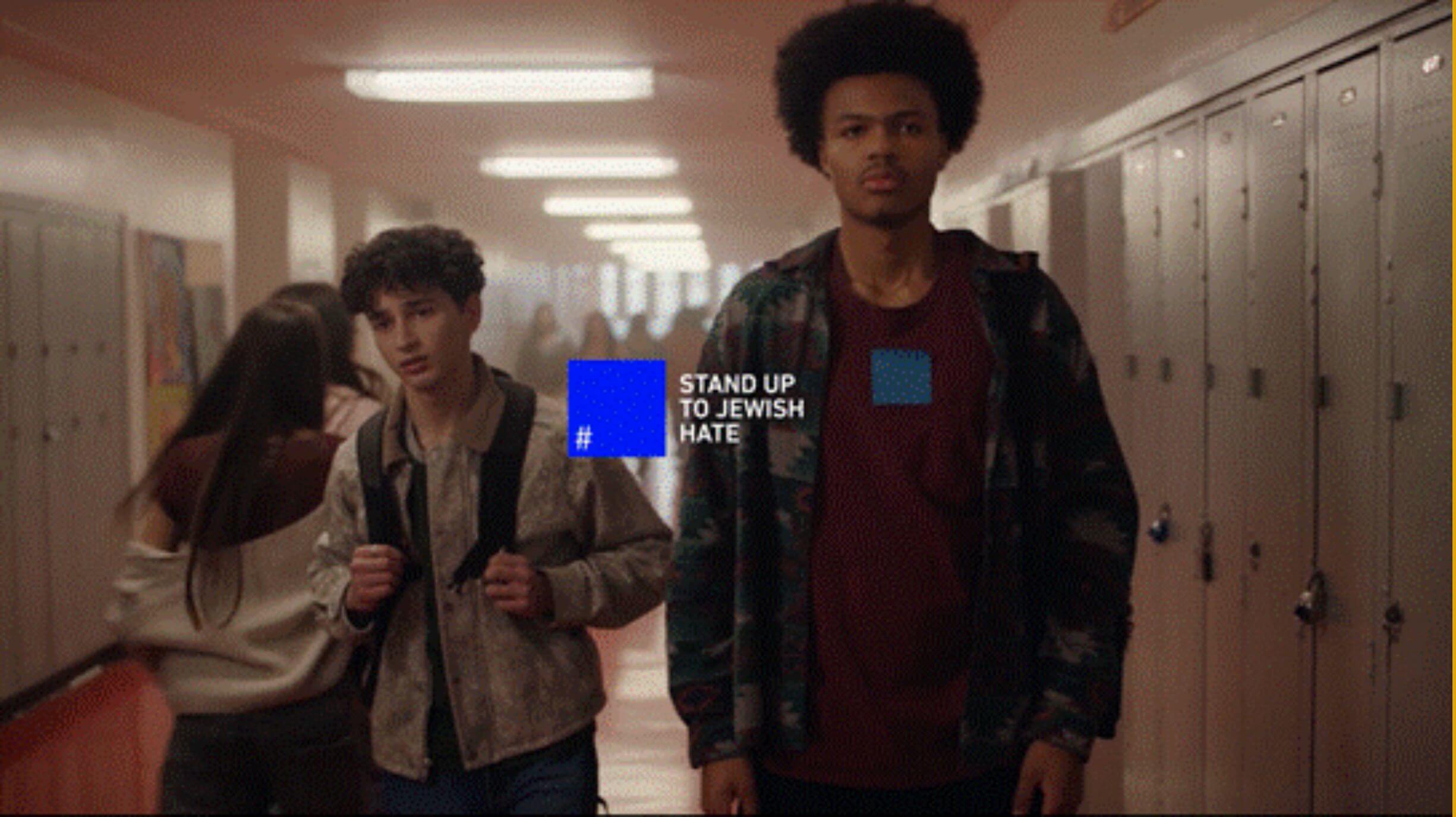
The "Dirty Jew Commercial" that garnered significant discussion was the 2026 Super Bowl spot titled "Sticky Note." This advertisement depicted a poignant scene in a high school hallway: a Jewish student finds a Post-It note bearing the hateful words "Dirty Jew" affixed to their backpack. The ad's narrative then shifts, showcasing a Black high school student who, upon witnessing the incident, steps forward to show support for the targeted Jewish student.
The commercial's intent was clear: to highlight the insidious nature of antisemitism and, more importantly, to promote the vital role of allyship. By featuring a Black student demonstrating solidarity, the ad aimed to convey a message of unity against all forms of hate, suggesting that standing up for others is a universal responsibility. The choice of a high school setting likely sought to resonate with younger audiences and illustrate how prejudice can manifest even in seemingly benign environments. This powerful, yet concise, narrative intended to provoke thought and encourage viewers to reflect on their own roles in confronting prejudice.
Controversy and Criticisms: Why the "Dirty Jew Commercial" Sparked Debate
Despite its noble intentions, the "Dirty Jew Commercial" did not escape criticism, sparking a vigorous debate among various commentators and Jewish leaders. The ad, while designed to combat hate, received mixed reviews, leading to questions about its effectiveness and portrayal of antisemitism.
- "Disconnected from Real Experiences": One prevalent criticism was that the ad felt "disconnected" from the contemporary realities faced by Jewish teens. Some argued that while a sticky note is offensive, it might not fully represent the complex and often more aggressive forms of antisemitism prevalent today, such as online harassment, physical assaults, or institutional bias. This concern suggests a desire for more nuanced and authentic depictions of the challenges faced by Jewish communities.
- "Waste of Money": Another common critique labeled the expensive Super Bowl ad as a "waste of money." With Super Bowl ad slots costing millions of dollars, critics questioned whether this significant investment yielded a proportional impact. They argued that such funds could be better allocated to grassroots educational initiatives, direct support for victims of antisemitism, or other community-based programs that might have a more tangible and lasting effect.
- "Cliche of Jewish Weakness": Perhaps the most pointed criticism was that the ad presented a "cliched portrayal of Jewish weakness." By depicting a Jewish student as the passive recipient of hate, reliant on the intervention of another, some felt the commercial inadvertently perpetuated stereotypes rather than showcasing Jewish resilience, strength, or agency in confronting prejudice. This perspective highlights a desire for narratives that empower and uplift, rather than potentially reinforcing perceptions of vulnerability.
These criticisms underscore the challenge of crafting impactful public service announcements, especially on such a sensitive topic. While the Blue Square Alliance's commitment to combating antisemitism is commendable, the ad demonstrates the difficulty in satisfying diverse perspectives and ensuring a message resonates as intended across a wide audience.
Beyond the Screen: Real-World Encounters with Hate Speech
While the "Dirty Jew Commercial" played out on a global stage, its underlying message about the pain of antisemitic slurs finds chilling echoes in real-world incidents. The phrase "Dirty Jew" is not merely a plot device in an advertisement; it's a venomous slur with a long, painful history, and its use continues to inflict harm in communities worldwide. These real-life encounters underscore the profound importance of campaigns like the Blue Square Alliance's, even as their methods face scrutiny.
Consider the disturbing incident involving former Israeli soldier and Melbourne activist Avi Yemini. He received an offensive text message containing the explicit slurs, "You dirty jew. Kike." This was not an isolated event but a targeted act of hate speech, which Yemini promptly reported to the police. The messages, allegedly sent by a prominent far-right activist, Neil Erikson, through a third party's phone, ignited a police investigation, highlighting the legal ramifications and societal condemnation of such language. Though Erikson vehemently denied sending the message, claiming he was a "reformed neo-Nazi," the incident served as a stark reminder of the persistent nature of antisemitic sentiment and the courage required to confront it head-on. You can read more about this investigation here: Police Investigate 'Dirty Jew' Text: Far-Right Activist Denies.
These real-world incidents, whether through anonymous texts or public confrontations, demonstrate that hate speech is not confined to the symbolic realm of Super Bowl ads. It permeates society, affecting individuals deeply and often requiring significant personal bravery to challenge. Understanding the tangible impact of these words is crucial for any effective anti-hate campaign, connecting the abstract message to the concrete experiences of those targeted by prejudice. For a broader look at ongoing efforts and other real-world incidents, consider exploring: Antisemitism Campaigns and Real-World 'Dirty Jew' Incidents.
Empowering Action: Tips for Combating Antisemitism
The Super Bowl "Dirty Jew Commercial" and real-world incidents serve as powerful reminders that combating antisemitism requires a multi-faceted approach, extending beyond high-profile advertisements. Here are practical tips for individuals and communities to actively stand against hate:
- Educate Yourself and Others: Understand the history and various forms of antisemitism. Share accurate information with friends, family, and colleagues to dispel myths and stereotypes. Knowledge is the first line of defense against prejudice.
- Be an Active Ally: If you witness an act of antisemitism or any form of hate speech, speak up or intervene if it's safe to do so. Simple acts of solidarity, like the one depicted in the "Sticky Note" ad, can make a profound difference. Even a quiet word of support to a victim can provide comfort.
- Report Hate Speech: Whether online or offline, if you encounter antisemitic threats, harassment, or hate crimes, report them to the appropriate authorities, such as local police, school administrators, or social media platforms. Documenting incidents is crucial for accountability.
- Support Anti-Hate Organizations: Contribute to or volunteer with organizations dedicated to fighting antisemitism and promoting interfaith understanding. These groups often conduct vital educational programs, advocacy, and direct support services.
- Promote Inclusivity: Foster environments that celebrate diversity and reject prejudice. Encourage respectful dialogue, challenge discriminatory jokes or comments, and champion policies that protect all minority groups.
Conclusion
The Super Bowl's "Dirty Jew Commercial" undeniably sparked a vital conversation, drawing millions of eyes to the enduring issue of antisemitism. While its execution faced criticism regarding nuance and efficacy, the Blue Square Alliance's intention to raise awareness and foster allyship remains crucial. The debate surrounding the ad highlights the complex challenge of addressing deep-seated prejudice through mass media. Yet, whether through high-profile campaigns or individual acts of courage, the necessity of confronting hate speech like "Dirty Jew" in all its forms—from an offensive sticky note to a venomous text—is clearer than ever. Ultimately, fostering a society free from antisemitism demands not only awareness but sustained education, active allyship, and unwavering commitment from us all.